Grease Trap Cleaning in East Los Angeles, CA
Backed-up grease trap, inspection coming up, or routine pumping due? Speak with a service provider serving East Los Angeles to discuss pricing, check availability, and book your service.
Call to Book Service(626) 416-4511Your call connects you with an independent service provider. Confirm pricing and book directly with them.
- Indoor kitchen grease traps and in-ground interceptors
- Routine cleanouts, trap backups, and inspection readiness
- Kitchens at schools, restaurants, hospitals, hotels, and food plants
Book by Phone
Call about an urgent issue or schedule your next pumping.
Call to Book(626) 416-4511- 1Enter your ZIP code Follow the phone prompt to reach a company serving your area.
- 2Describe what you need Explain the problem or the service you want to schedule.
- 3Confirm and book Ask about pricing, what is included, and the next available appointment.
Which situation are you in?
Need help now or planning your next service? Choose the situation that matches your kitchen.
Backed up or overflowing
Water rising from a drain can mean the trap is too full to separate grease effectively. For now, focus on these steps:
- Keep fats out of plumbing. Wipe greasy cookware before washing it, and collect used oil in its container.
- Stop fixtures feeding the trap. Leave the connected sinks and dishwasher off until the backup is addressed.
- Direct staff around the spill. Keep kitchen traffic clear of wastewater coming up onto the floor.
- Document the trap and service date. Take a photo and look through your records for the most recent pumping.
Smell or slow drains
After a busy service, a sour odor or a sink that empties slowly can point to grease and food solids accumulating in the trap. A blocked line is another possible cause. Many local programs ask for cleaning before that buildup reaches 25 percent of trap depth. Pumping now may help prevent an overflow and its cleanup.
Call About Odors or Slow DrainsInspection due or notice received
Before an inspection, gather your cleaning records. Inspectors may also ask for a written grease management plan in many areas. If the log is incomplete, arrange pumping before the visit and enter it in the log. Ask for the disposal manifest to keep with your records.
Call About an Inspection DeadlineRoutine schedule, new opening, or several locations
For a new kitchen, call to line up a provider before opening. Many sewer authorities ask for a grease management plan and records. If you operate several locations, ask about using one schedule and one set of records across them. For an operating kitchen, a standing schedule can help keep buildup within the local limit.
Call to Schedule PumpingGrease trap and interceptor services
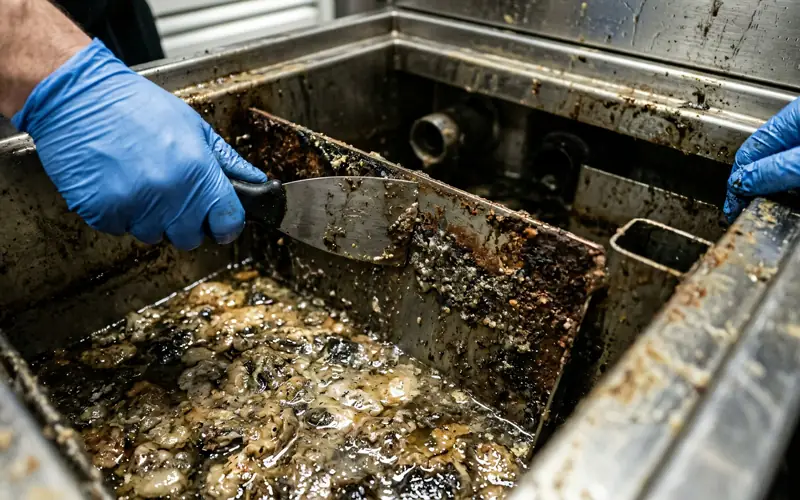 Indoor trapsGrease Trap CleaningFor kitchens dealing with grease residue inside a trap after its contents have been pumped out.Learn about cleaning →
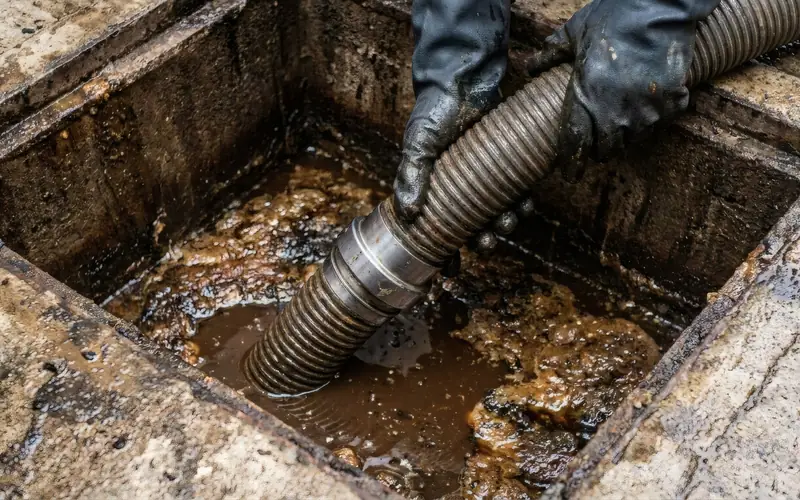 Indoor trapsGrease Trap PumpingFor kitchens that need grease and settled food waste removed from a trap or interceptor.Learn about pumping →
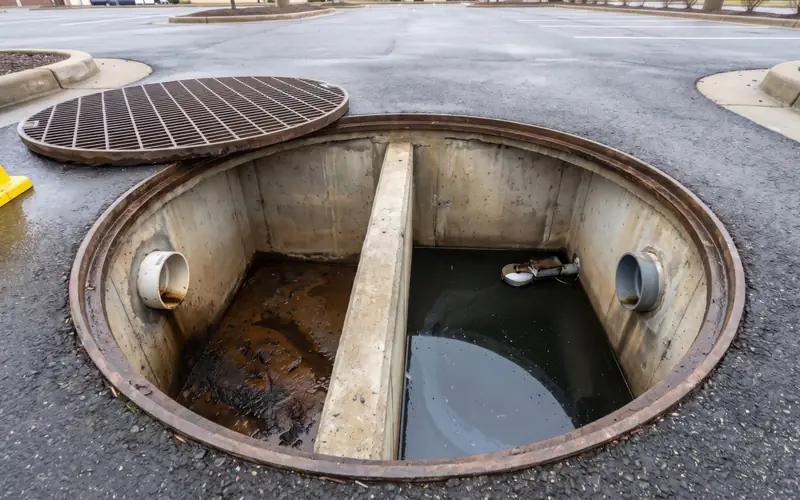 In-ground interceptorsGrease Interceptor CleaningFor kitchens with an in-ground interceptor, choose cleaning when grease coats the tank walls or fittings.Learn about interceptor cleaning →
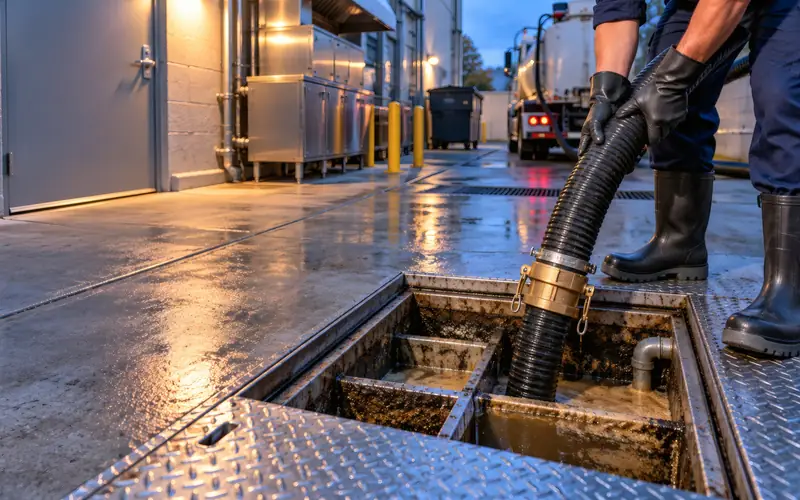 In-ground interceptorsGrease Interceptor PumpingFor commercial kitchens with an in-ground interceptor that needs grease and settled solids removed.Learn about interceptor pumping →
Who uses this service
Dishwashing and cooking equipment produce greasy wastewater that flows through kitchen drains into a trap or interceptor.
- Restaurants and cafes
- Fast food
- School and university cafeterias
- Hotels
- Hospitals and care homes
- Food processing plants
- Grocery delis and bakeries
- Caterers and commissaries
Ready to Book Grease Trap Cleaning?
Discuss your kitchen’s needs, confirm pricing, and book an available appointment.
Grease trap or grease interceptor?
Unsure what equipment your kitchen has? You can still call. Its location and drain connections are useful details to describe.
- Location
- Indoors, under a sink or set in the kitchen floor
- Flow rating
- Roughly 20 to 100 gallons per minute
- Which kitchens
- Cafes, small restaurants, bars, coffee shops
- Typical pumping interval
- Every 1 to 4 weeks for most busy kitchens
- Location
- Outdoors, buried below a parking lot or yard
- Typical size
- Roughly 500 to several thousand gallons
- Which kitchens
- High-volume restaurants, schools, hospitals, food plants
- Typical pumping interval
- Every 1 to 3 months, depending on volume and local rules
What Affects Grease Trap Cleaning Cost?
The price depends on the unit and the work required. When you call, describe your setup and ask what the quote includes.
Size and number of units
Your trap or interceptor’s capacity, if known, and how many units need service.
Current condition
When it was last pumped and whether you have a backup, odors, or slow drainage.
Access and scheduling
Where the unit is located, access restrictions, and your preferred service time.
Disposal and additional work
Whether disposal, service records, and any additional cleaning are included in the price.
Not sure what size unit you have? You can still call. Describe its location and the issue you are having.
Questions to ask before you hire a pumper
Before you book, ask what the service includes, which records you will receive, and whether any additional charges may apply.
- 1What paperwork permits you to haul grease waste here?Requirements depend on the location. Seeing the applicable hauling documents helps you make an informed choice before work begins.
- 2Can I get a manifest showing the disposal destination?That document gives your kitchen a trail for the collected waste. Store it alongside the paperwork from the pump-out.
- 3Will you empty the entire trap rather than skim it?A skim can leave sludge beneath the grease layer. Removing settled material restores room for wastewater to pass through the trap.
- 4Do you examine the baffles and outlet tee while pumping?Loose or damaged parts can let grease escape into the drain line. Written notes on their condition help you decide whether repairs are needed.
- 5Can we plan recurring pump-outs around the required schedule?Putting future visits on the calendar helps with kitchen planning. Your city or sewer district sets the applicable schedule.
- 6Can you complete our cleaning log after each visit?Many local programs require cleaning records. A complete entry captures the date, material removed and trap condition for your files.
What to Have Ready When You Call
A few details can help the service provider assess your needs and discuss the right appointment.
- Your service address and ZIP code.
- Whether you have an indoor grease trap or an outdoor interceptor.
- The unit’s size, if known.
- Approximately when it was last pumped.
- Any backup, odors, slow drainage, or inspection deadline.
- The number of units or locations needing service.
Share what you know. You do not need every detail before calling.
Grease trap service across East Los Angeles, CA
Need grease trap or interceptor cleaning at your East Los Angeles business? Call about routine pumping, a current backup, or service ahead of an inspection.
Provide your address and ZIP code to confirm coverage. You can discuss access, preferred appointment times, and recurring service when you book.
Frequently Asked Questions
How often should a grease trap be cleaned?
A kitchen that produces more grease or sends more wastewater down the drain may need different cleaning than another kitchen. The menu and trap type matter too. Check local requirements and ask a provider to help plan your cleaning schedule.
What does grease trap cleaning cost?
Pricing varies with the size and condition of the unit, access, and the work required. Call to discuss your setup and request pricing. Before booking, confirm whether the quote includes disposal, service records, and any additional charges.
Do providers clean grease interceptors as well as indoor grease traps?
The answer varies by company: some work on both kinds of equipment, while others limit what they service. Identify yours as an indoor trap or an interceptor, and give its size if known. Ask the provider whether they can handle it.
What happens if I delay grease trap cleaning?
Accumulated grease and food solids leave less room for wastewater to move through the trap, reducing its effectiveness. Odors, sluggish sinks and backups can develop. A blocked line can also cause drainage trouble, and overdue cleaning may create compliance problems.
How long does grease trap pumping take?
Pumping involves more than removing waste, and the scope of the work can vary. The equipment's size, waste buildup and access to the lid all matter. Describe these details to the provider and ask for an estimate.
Who will I speak to when I call?
After the ZIP-code prompt, you will speak with an independent service provider serving your area. You can discuss the work, confirm pricing and availability, and book directly with that company. This website helps connect callers with service providers; it does not perform the cleaning.
Need Grease Trap Cleaning in East Los Angeles, CA?
Urgent issue or routine maintenance? Call to discuss your service needs, confirm pricing, and book an available appointment.
Call to Book Service(626) 416-4511